

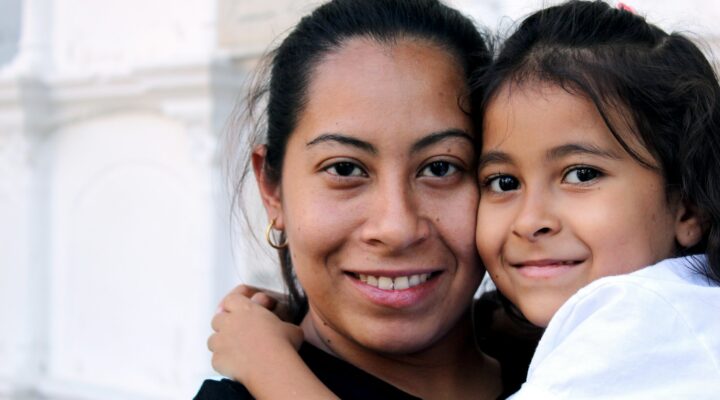
The immigration debate affects millions of families, communities and congregations across the United States. Recognizing both the complexity of the issue and the need for faithful engagement, the Evangelical-Catholic Dialogue on Immigration (ECDI) was established by the National Association of Evangelicals and the U.S. Conference of Catholic Bishops in March 2026 to bring evangelical and Catholic leaders together for dialogue, discernment and common witness.
Under the leadership of NAE President Walter Kim and Bishop Brendan Cahill, participating leaders found that despite the ways our traditions differ, there was significant agreement on theological principles that should inform the nation’s approach to immigration.
The statement below, A Call for Christian Compassion and Wisdom in the Immigration Debate, reflects that shared commitment. Grounded in Scripture, it affirms the dignity of every person, the importance of family unity, the necessity of border security and due process, and the pursuit of practical pathways for legal immigration. It is offered as a resource for churches, leaders and citizens seeking to navigate this issue with both conviction and grace.

“As Catholic and evangelical Christians, we have doctrinal differences, but we are united in our conviction that God calls us to stand both with our fellow Americans who are experiencing economic and cultural anxieties and with our immigrant neighbors who are facing existential challenges.”
Why Immigration Reform Matters
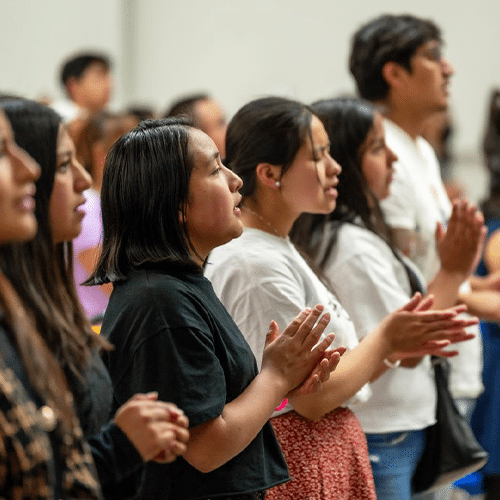
Immigration detention and deportation is an issue that touches both Catholic and evangelical Christians deeply, as roughly one in 12 believers in this country either faces the loss of legal status or shares a home with someone who does.
Produced through a partnership among the NAE, USCCB, World Relief and the Center for the Study of Global Christianity at Gordon-Conwell Theological Seminary, the “One Part of the Body” report explores how immigration policy changes are affecting the American church.
How can you use this statement in your own community? Here are three practical ways to put this statement to work.
- Pray for those currently impacted by increased immigration detention and enforcement actions. Pray for our immigrant neighbors who are facing significant challenges. Pray for policymakers and leaders who are responsible for creating the structures under which communities flourish. Pray for the law enforcement officers who are tasked with protecting communities.
- Proclaim the three biblical principles outlined in the statement. Consider using the statement’s scriptural backbone — human dignity bearing God’s image (Genesis 1:27), the family as a God-ordained institution (Genesis 2:24), and the proper role of government (Romans 13:1–7) — as a sermon series, adult-class unit or small-group guide.
- Present the statement to your members of Congress. Consider partnering with a Catholic friend in your community to visit the local or state office of your member of Congress to demonstrate the united witness the statement proclaims. You could also consider a joint op-ed, letter to the editor, or social media post.
Evangelical Theological Reflection on Migration
From the Old Testament to the teachings of Jesus, Dr. Adrian Hinkle, dean of the College of Theology and Ministry at Oral Roberts University, explores how stories of strangers, refugees, and exiles are woven throughout Scripture, challenging the church to see immigration not as a political issue, but a biblical one.

Related Resources


Press Release
March 25, 2026
Evangelical-Catholic Dialogue Launched to Deepen Collaboration on One of the Most Pressing Issues of Our Time


